Relatives of MPs Snag Fertiliser Dealerships: Allegations Fly That 80% of Appointees Across 55 Districts Are Tied to the Ruling Party
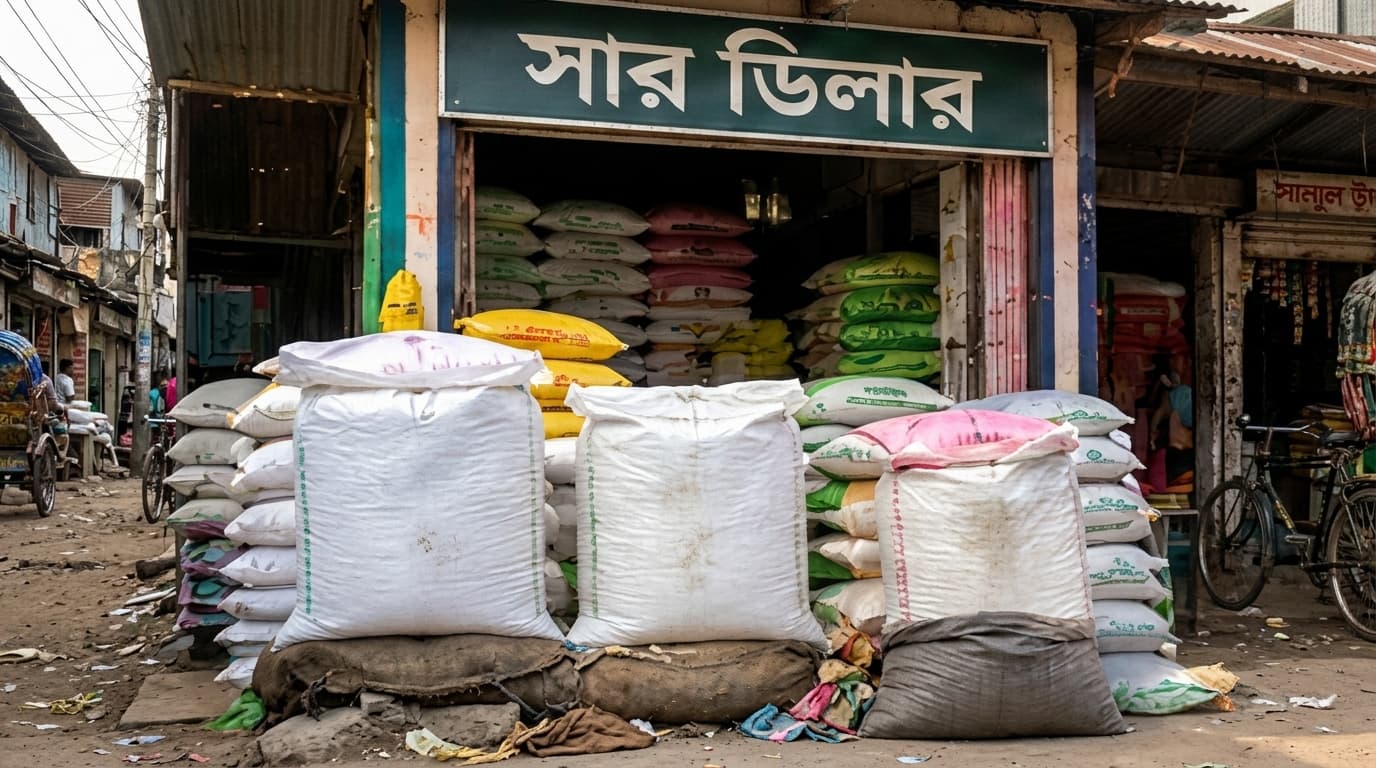
Photo: Collected
Despite strict government mandates requiring individual warehouses and prior experience, allegations indicate that inexperienced individuals were handed dealerships through fabricated paperwork, including fake warehouses and bogus contracts.
Pabna, Gafargaon in Mymensingh, and Rajshahi—geographically disparate corners of the country, yet sharing an identical narrative. Brothers, sons, maternal and paternal uncles, cousins, and brothers-in-law of members of parliament have comfortably settled into lucrative fertiliser dealerships.
Recently released partial lists from 55 districts reveal that nearly 80 percent of newly appointed dealers allegedly secured their posts owing to their ruling party affiliations or recommendations on party letterheads. A distribution system designed to be impartial and professional, meant to serve legitimate fertiliser traders, has seemingly devolved into a system where being a political loyalist is the sole prerequisite for a dealership.
This goes beyond mere political patronage; it is mired in allegations of multimillion-taka bribery and forgery. In Faridpur’s Nagarkanda, Rangpur, and Dinajpur, dealerships were reportedly peddled for hefty sums without any professional credentials. Outraged traders have even staged press conferences in protest.
Despite strict government mandates requiring individual warehouses and prior experience, allegations indicate that inexperienced individuals were handed dealerships through fabricated paperwork, including fake warehouses and bogus contracts.
The most flagrant instance of forgery has been reported in Ishwardi, Pabna, where an illegal pesticide trader—officially blacklisted by the Department of Agricultural Extension—was reportedly awarded a fertiliser dealership.
If this brand of corruption and nepotism merely allowed a select few to line their pockets through bribery and political clout, why should it matter? Why raise our voices? Because the ultimate price will be paid by the nation’s farmers.
Individuals who buy their dealerships with hefty bribes and political backing can easily hoard fertilisers during peak seasons to manufacture artificial shortages. They can line their pockets by dumping government-subsidized fertilizers onto the open market at inflated rates. Ultimately, the financial burden of recouping those upfront bribes will trickle down to the farmers, forcing them to purchase essential inputs at exorbitant prices.
Furthermore, unaccountable and blacklisted dealers pose a grave threat of flooding the market with adulterated and substandard fertilisers, directly jeopardising crop yields. Ordinary and smallholder farmers risk being marginalised by these partisan syndicates. While powerful insiders easily secure timely, subsidised fertilisers at fair prices, ordinary farmers are left out in the cold.