Dhaka Papers' Response to SEAN Publication's Formal Protest
Dhaka Papers stands by the substance of its reporting: The 2019 arrest is a documented historical fact. Dhaka Papers did not report that SEAN Publication published banned books. SEAN Publication published the book by Samiul Haq identified in the report. Examining its author and his background is a legitimate function of journalism.
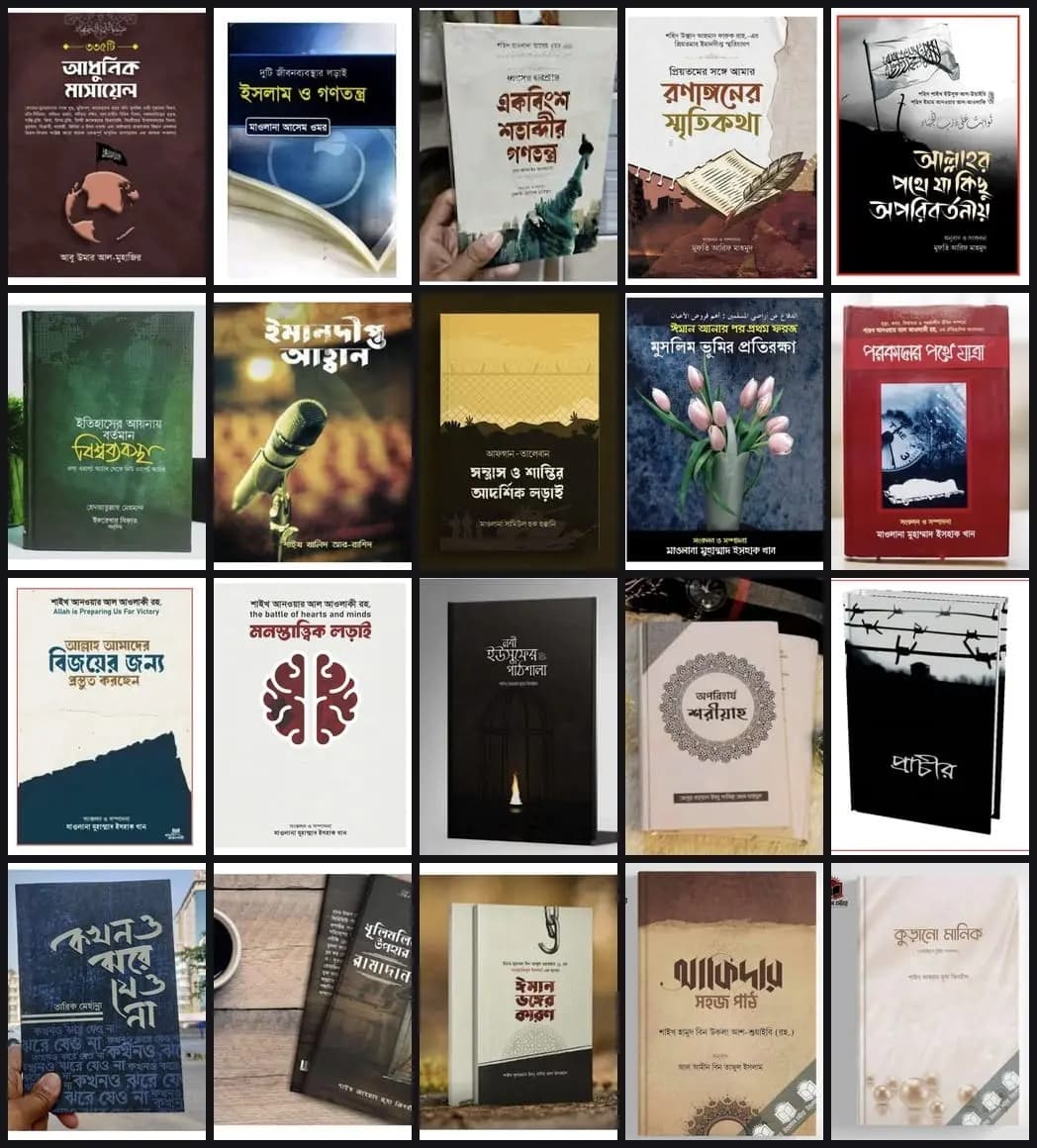
On August 10, 2026, Dhaka Papers published an investigative report titled "Extremism Behind Publications: Al-Qaeda Leaders' Books Being Sold Openly." The report examined books published by several Dhaka publishing houses, along with the backgrounds and ideological writings of their authors.
On September 27, Ahmed Rafique, Managing Director of SEAN Publication Ltd., submitted a formal protest against the report and an accompanying video. The report refers to him as Abu Tasmia Ahmed Rafiq. He called the report false, unsubstantiated, and misleading. He claimed that Dhaka Papers had omitted the subsequent legal disposition of a 2019 case against him and had alleged that his publishing house published illegal books.
He also objected to not being contacted before publication and demanded a correction and an apology. Dhaka Papers has reviewed these claims against the published report and public records. Several assertions in the protest do not reflect what the report actually said.
The 2019 Arrest
Ahmed Rafique states that the 2019 case against him was politically motivated and was later quashed by the Anti-Terrorism Tribunal. He argues that reporting his arrest without mentioning the tribunal's subsequent decision created a misleading impression of guilt.
Dhaka Papers reported the arrest as a historical fact. Citing information from law enforcement agencies, the report stated that he was arrested in 2019 on allegations of militancy. It also noted that he was released on bail after spending seven months in prison.
The report did not claim that those allegations were proved in court. An arrest is a matter of public record, not a conviction.
The subsequent quashing of the case is relevant legal context. Dhaka Papers accepts that this should have been included to give readers the full outcome of the case. That omission, however, does not make the reported fact of his arrest false.
Scrutiny of SEAN Publication
Ahmed Rafique states that neither he nor SEAN Publication has published banned books. He argues that Dhaka Papers alleged illegal publishing without identifying any prohibited publication or any legal prohibition.
Dhaka Papers did not claim that the government had formally banned any book published by SEAN Publication. The report expressly stated that no formal ban had been announced on the books it examined.
The report examined a specific author and his documented background. SEAN Publication published a book by Maulana Samiul Haq, and Ahmed Rafique's protest does not deny this. Dhaka Papers reported that Samiul Haq headed Darul Uloom Haqqania, known as the ground from which al-Qaeda and the Haqqani network rose.
The seminary's alumni include Taliban founder Mullah Omar and Haqqani network founder Jalaluddin Haqqani. Asim Umar, who later led al-Qaeda in the Indian Subcontinent, is also reported to have studied there.
The report dealt with the authorship and publication of this book. It did not claim that the book was formally proscribed by the authorities.
Prior Contact
Ahmed Rafique also objects to the fact that Dhaka Papers did not contact him before publication.
Seeking comment from a person facing serious allegations is good journalistic practice. Dhaka Papers accepts that contacting him before publication would have strengthened the report.
The question of prior contact is separate from whether the facts reported from official records and public sources are accurate.
Editorial Position
Dhaka Papers stands by the substance of its reporting: The 2019 arrest is a documented historical fact. Dhaka Papers did not report that SEAN Publication published banned books. SEAN Publication published the book by Samiul Haq identified in the report. Examining its author and his background is a legitimate function of journalism.
Dhaka Papers will correct any demonstrable factual error and provide relevant legal context where an omission is identified. However, it will not retract accurate reporting on the basis of claims that misstate what the report actually said.