Power access but no cooling: Heat deaths to rise in Bangladesh

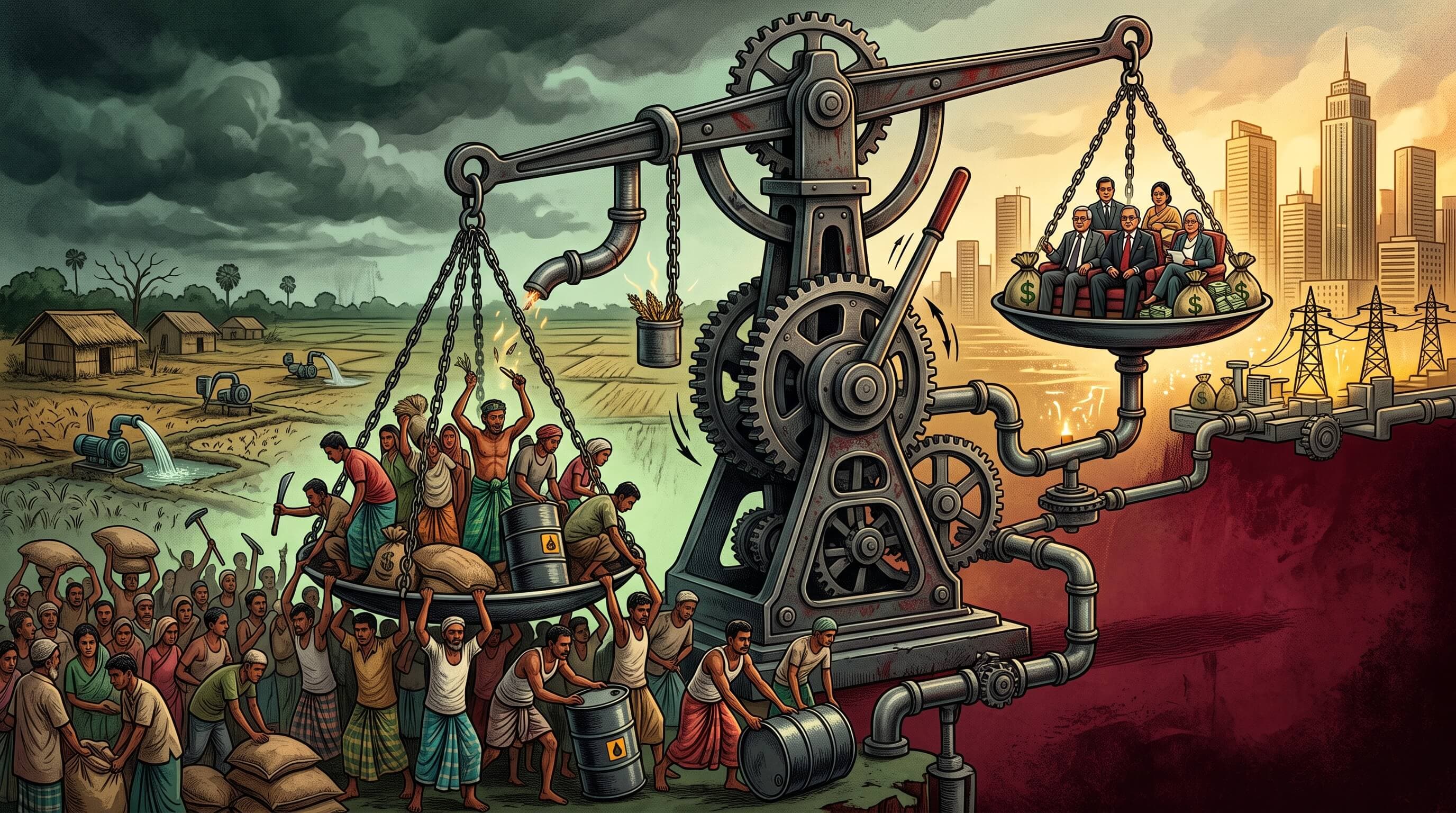
Sketch: AI
18 countries severely exposed to cooling gap; 430,000 extra deaths projected globally post-2050
Dhaka: Most households in Bangladesh are connected to the power grid, but cannot afford an air conditioner. With temperatures climbing globally, this affordability gap is pushing the country toward a sharp increase in heat-related fatalities in the coming decades.
Bangladesh is one of 18 countries—alongside Pakistan, Nepal, Myanmar, and several African nations like Mali and Niger—identified as highly exposed to this cooling gap. An estimated 676 million people across these regions lack the financial means to buy an AC.
Ashwin Rode, a co-author of the Climate Impact Lab's (CIL) latest Adaptation Roadmap report, noted that having electricity does not necessarily translate to access to cooling.
"Having an electricity connection and having the means to use that electricity are not the same," Rode said. He cited Bangladesh as a prime example of the trend.
In densely populated areas like Dhaka, power consumption data shows low-income residents are not using more electricity even on unusually hot days. For most, running an AC is simply not affordable.
This effectively leaves about 81 percent of Bangladesh’s population vulnerable to extreme temperatures, placing them in what the researchers termed a "mortality-cooling trap."
Michael Greenstone, CIL’s co-director, pointed out the disparity of the situation. "Air conditioning can save lives during extreme heat. But many countries will lack the means to adapt," he said, adding that nations contributing the least to global warming will end up with the highest death tolls.
This inequality is especially apparent when comparing Saudi Arabia and Niger. Both face scorching weather. But by mid-century, Niger’s per capita electricity use is projected to be just a ninth of Saudi Arabia’s. As a result, Niger is expected to record about 27,000 more heat-related fatalities annually than the wealthier Gulf nation, purely due to the cooling deficit.
Globally, the CIL projects around 430,000 additional heat-induced deaths every year after 2050. Mortality rates in lower-income nations could jump up to 10 times higher than those in wealthy countries. In the 18 specific hotspot nations alone, the lack of cooling infrastructure will account for 377,000 of those extra deaths.
To handle the growing risk, the researchers recommended upgrading existing heat early warning systems. They also urged state planners to draft specific emergency health protocols and allocate funding for social safety net programs targeted at protecting low-income households during severe heatwaves.