Disguised 'G-to-G' with Private Gunvor: Bangladesh Heads Toward Risky LNG Procurement

A review of internal documents and interviews with two Energy Division officials suggests the contract would expose Bangladesh to liabilities of at least USD 4 billion (approximately Tk 47,000 crore).
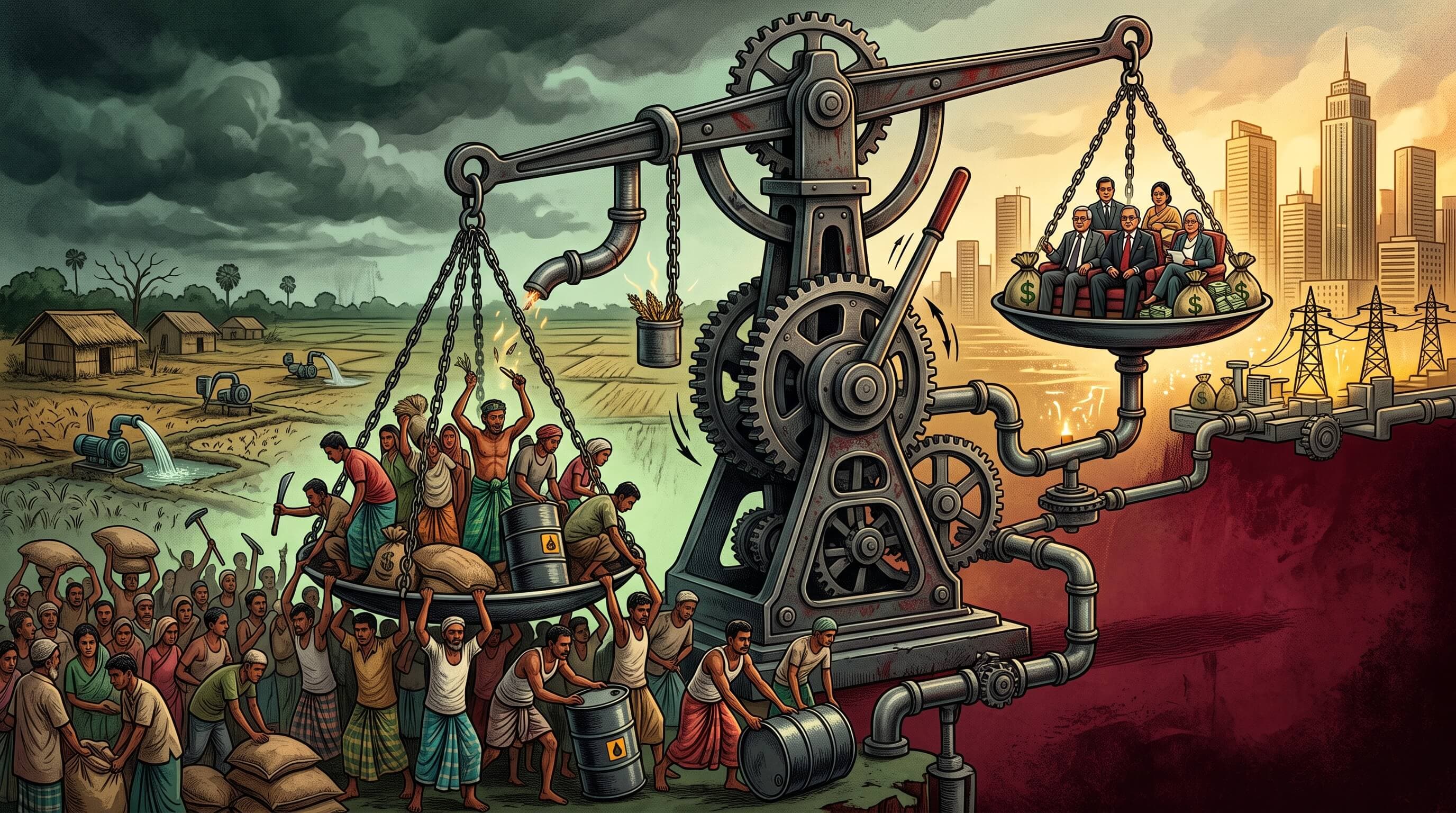
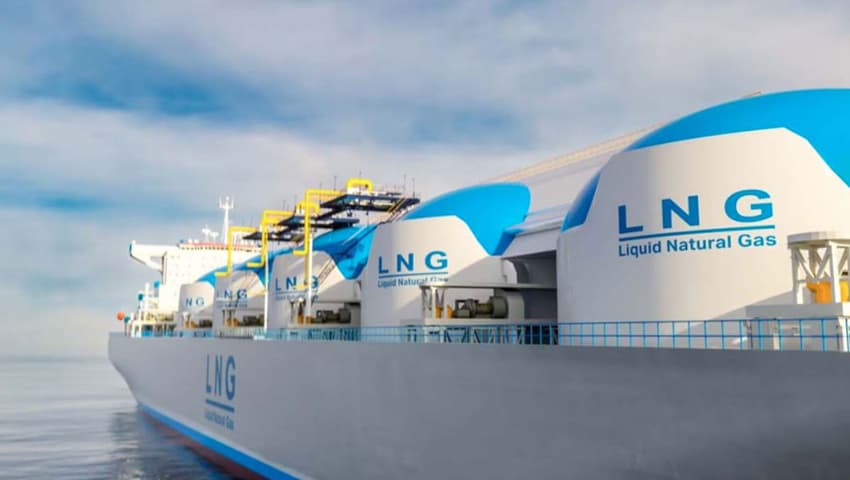
The Power, Energy and Mineral Resources Division has begun preparations to import Liquefied Natural Gas (LNG) from the US-based private trading company, Gunvor USA LLC, for a lengthy 13-year term, citing the need to ensure energy security. Officials say the move is intended to secure a total of 78 cargoes from 2026 to 2039, a process now nearly finalized. Through legal maneuvering, a private company is being treated as a government entity to facilitate a long-term Government-to-Government (G-to-G) agreement.
The Fiscal Exposure
A review of internal documents and interviews with two Energy Division officials suggests the contract would expose Bangladesh to liabilities of at least USD 4 billion (approximately Tk 47,000 crore). Because pricing is linked to the highly volatile Asian spot market index 'JKM' (Japan Korea Marker) rather than crude oil, officials fear the pricing structure could leave the country exposed to a long-term fiscal trap.
Behind the 'G-to-G' Designation for a Private Company
Under existing laws, the government can directly procure or enter into G-to-G agreements only with state-owned entities of other nations. Gunvor USA, however, is not state-owned; it is a global private trading house. To bypass competitive bidding and secure an exclusive arrangement for Gunvor, the Energy Division is relying on a non-binding Memorandum of Understanding (MoU) signed with the US energy sector last year. The G-to-G tag is being applied to avoid open competition and favor this US-based entity.
The USD 4 Billion Trap of Volatile Prices
Currently, Bangladesh's gas imports from Qatar and Oman are priced in relation to international Brent crude oil prices. The LNG price is determined by indexing it to the movement of Brent crude. This mechanism kept the price of Qatari and Omani LNG within a range of USD 11–13 per MMBtu, even when global Brent prices rose, which proved tolerable and stable for the national budget.
In contrast, the Gunvor deal prices LNG according to the JKM index, which is subject to extreme fluctuations in the spot market. Recent market data shows that while the Brent index may remain stable, the JKM index can plummet to USD 5 or spike to over USD 70 during crises like wars. Over the 13-year contract period, even limited geopolitical tensions could force Bangladesh to pay exorbitant spot market prices. While gas from Qatar is available at USD 10-12, under the contract's pricing formula, Bangladesh could be compelled to pay Gunvor USD 20-30—analysts say this would significantly raise costs.
Logistical Concerns: The Hidden Cost of Distance
Shipping LNG from Qatar or Oman to Bangladesh takes approximately 4 to 6 days. In contrast, vessels carrying LNG from the United States will require around 40 to 45 days to reach Bangladesh. According to officials familiar with the matter, factoring in the much higher freight and insurance costs for this extended voyage would make the actual cost of Gunvor's LNG (delivered to Chittagong port) tens of billions of taka higher than that from Qatar and Oman. Senior officials have not, according to people aware of the discussions, examined these cost projections in detail.
Policy Lock-in: The Risk of No Return
Post-2026, this single Gunvor deal could account for approximately 15-20% of Bangladesh's total LNG imports. According to analysts interviewed by this newspaper, once this long-term contract linked to the JKM index is signed, there will be no exit option, whatever happens in global markets. Due to stringent 'take-or-pay' clauses, Bangladesh will be compelled to purchase gas at elevated international prices. This could eventually force the government to raise gas and electricity prices severalfold in the coming years, straining household budgets and the broader economy.
Signing such an irreversible and high-risk contract without a thorough financial stress test, energy experts caution, would be a mistake. They say the proposal requires further financial assessment before any approval.
---
*Author: Editor, Dhaka Papers
Email: [email protected]