Operation Clean Heart : Not a Solution
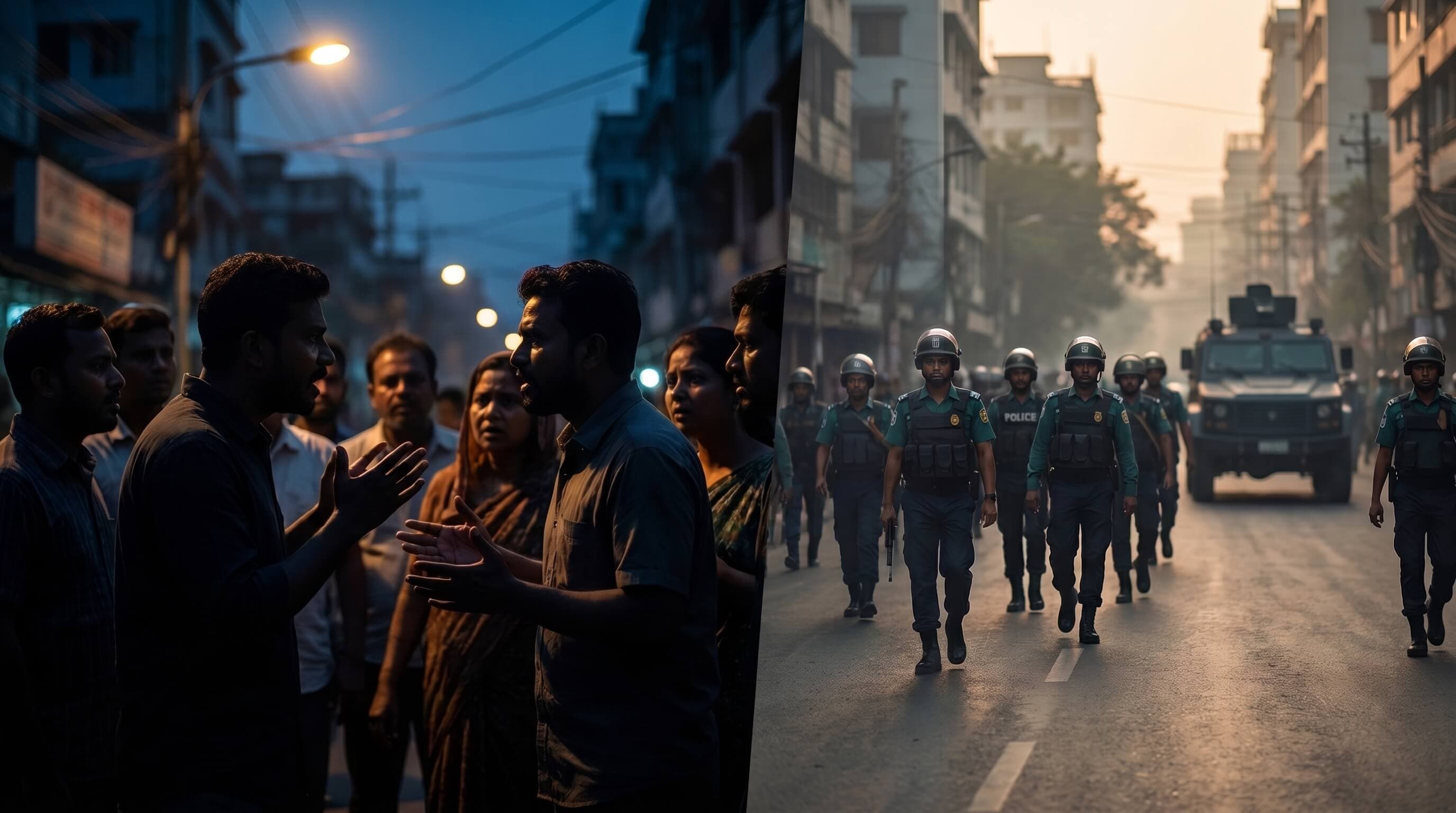
People no longer expect major development projects and nation-building from the government. They want a basic level of peace and stability. This will certainly not be achieved by violating human rights; rather, it can be established through good governance.
I saw an editor of an online newspaper defending why Begum Khaleda Zia launched Operation Clean Heart. If this editor had been working in journalism back then, he would have built a narrative in support of "crossfire"—just like my two dear brothers.
The country's law and order situation is certainly bad, but not as bad as it was before the election—that is, up to February 12. No matter how bad things get, an elected democratic government cannot pile on more injustice and repression, even if justice is delayed.
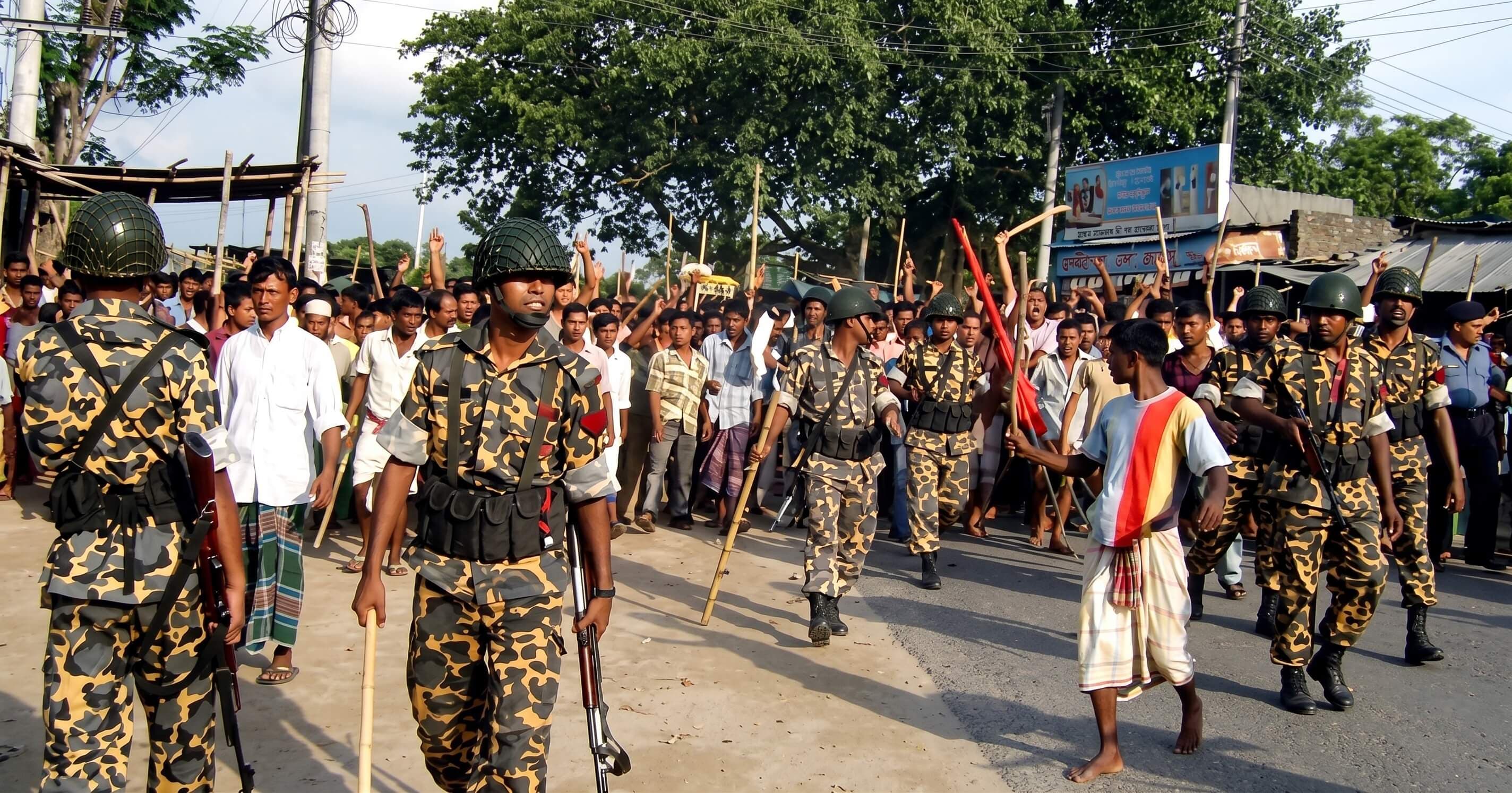
Even amid a hundred adversities, it must uphold the rule of law and rely on the justice system. Otherwise, it ceases to be a democratic system. So no matter how bad the situation, a method like Operation Clean Heart is in no way acceptable, and we must not walk that path. Operation Clean Heart was the first major step toward depoliticization.
The army major who led Operation Clean Heart later rose to the rank of brigadier, arrested Salahuddin Ahmed, and handed him over to India. And when Matiur Rahman Nizami and others saw that they could use RAB to wipe out leftists from the southwest all the way to the north, Jamaat has now established itself there. Here, Jamaat, India, and America share the same interest: containing China.
Those newspapers and media that are creating public opinion in favor of Operation Clean Heart—or in favor of harassment and even extrajudicial killings—are actually building a narrative in favor of depoliticization. They are people of the deep state.
Recently, two sabotage incidents occurred. While the youth's new Imam, Mahdi Amin, was away, Radda was demolished in his area. The old leadership in his area is angry with him because of the new polarization. That is why the situation has become more contentious. Neither Tuli nor Arman can stop it. Suppose BNP did this—but the MP is Arman! What was Arman, the local Jamaat MP, doing then? Is it not his responsibility? Several birds are being killed with one stone.
In this episode, BNP leader Saju's new entry is worth noting. And when he returns to the country, pay close attention to Mahdi's expression.
The person entrusted with 17 responsibilities on behalf of the BNP—is he really qualified for the job?
Then what is to be done?
The work must be done very carefully. When Ishak Sarkar, accused of extortion, was made inactive in the party after the Mitford incident, a party created under the new political arrangement now garlands him and puts on a show of cracking down on extortionists at Banglamotor.
It is difficult to see any real leadership within the BNP. Note how Jamaati media projects BNP through Zakir of Narayanganj—so that sections of civil society become emotionally invested when they see Salman Muktadir. Bringing discipline to BNP's leadership is urgent.
Coordination between the hybrid elements and the bona fide members is essential. Have you seen any bona fide members in the PM's tour coverage? Rather, the Shibir activists are posting pictures from Manhattan with media badges. Those who placed Shibir activists on the Awami League and PM beats during Sheikh Hasina's time are now beating their chests after August 5.
BNP's narrative must be created by BNP. You can keep putting polished information ministers in place and make movies with them—because my younger brother Roni is doing the heavy lifting almost single-handedly.
The police must be strategic. I said before to remove the SB chief. You didn't remove him then. Now you understand. The Home Minister should take a trusted, sharp, and intelligent special assistant who understands human rights and politics and who will coordinate.
Alongside the police, Battalion Ansar should be used in security work. They will assist the police. The police should work with community leaders to hold anti-crime meetings across neighborhoods and localities.
SRB and DNC must be deployed across the country in anti-drug operations. No matter how close they may be, drug dealers should receive no special treatment.
BNP's relatively younger leadership must sit with the senior leadership. They should be out in the field, while political bureaucrats merely sit beside the UN—that is a serious mismatch. Even if BNP tries, it cannot produce intelligent people like Monirul Islam, but skilled officers must be utilized. Raising the narrative of so-called fascism and relying on Jamaat will hurt BNP more.
Instead of thinking too much about the very poorest and the very wealthiest, small social innovations must be introduced so that lower-middle-class, working-class, middle-class, and professional people remain reasonably content.
Extensive meetings on political etiquette and work procedures within BNP are urgent. Leaders and activists who have been battered and demoralized must be utilized. At the same time, there is a need to deal firmly with extortionists, opportunists, and unscrupulous elements.
Above all, media management and the Ministry of Information should be overhauled. The PM's Daus press wing must be overhauled.
People no longer expect major development projects and nation-building from the government. They want a basic level of peace and stability. This will certainly not be achieved by violating human rights; rather, it can be established through good governance.
Author: Media Worker