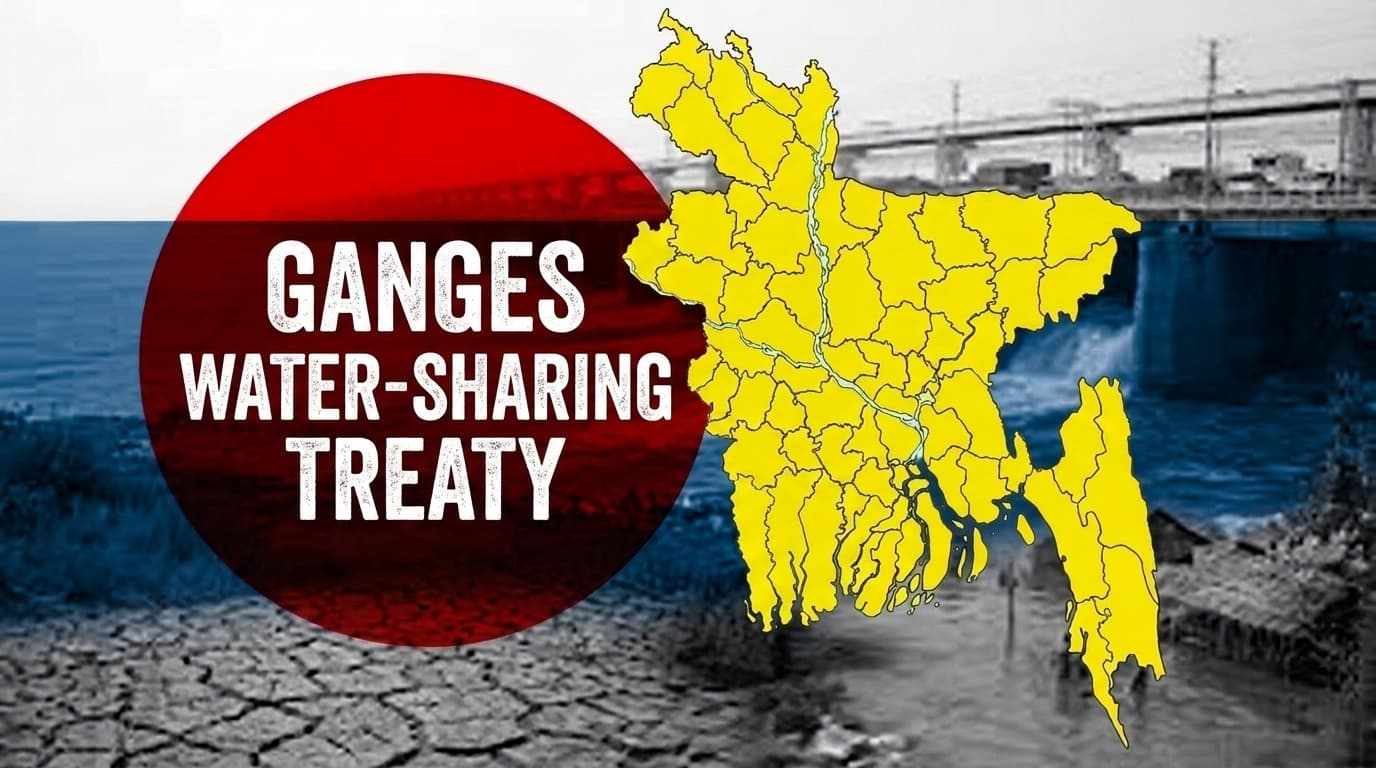
The Phulbari Coal Mine Project: A Settled Matter Reopened – In Whose Interest?
Two decades after deadly protests halted the Phulbari open-pit coal mine in Bangladesh, the government is reopening the catastrophic GCM Resources project. Discover the looming environmental disaster and political risks.
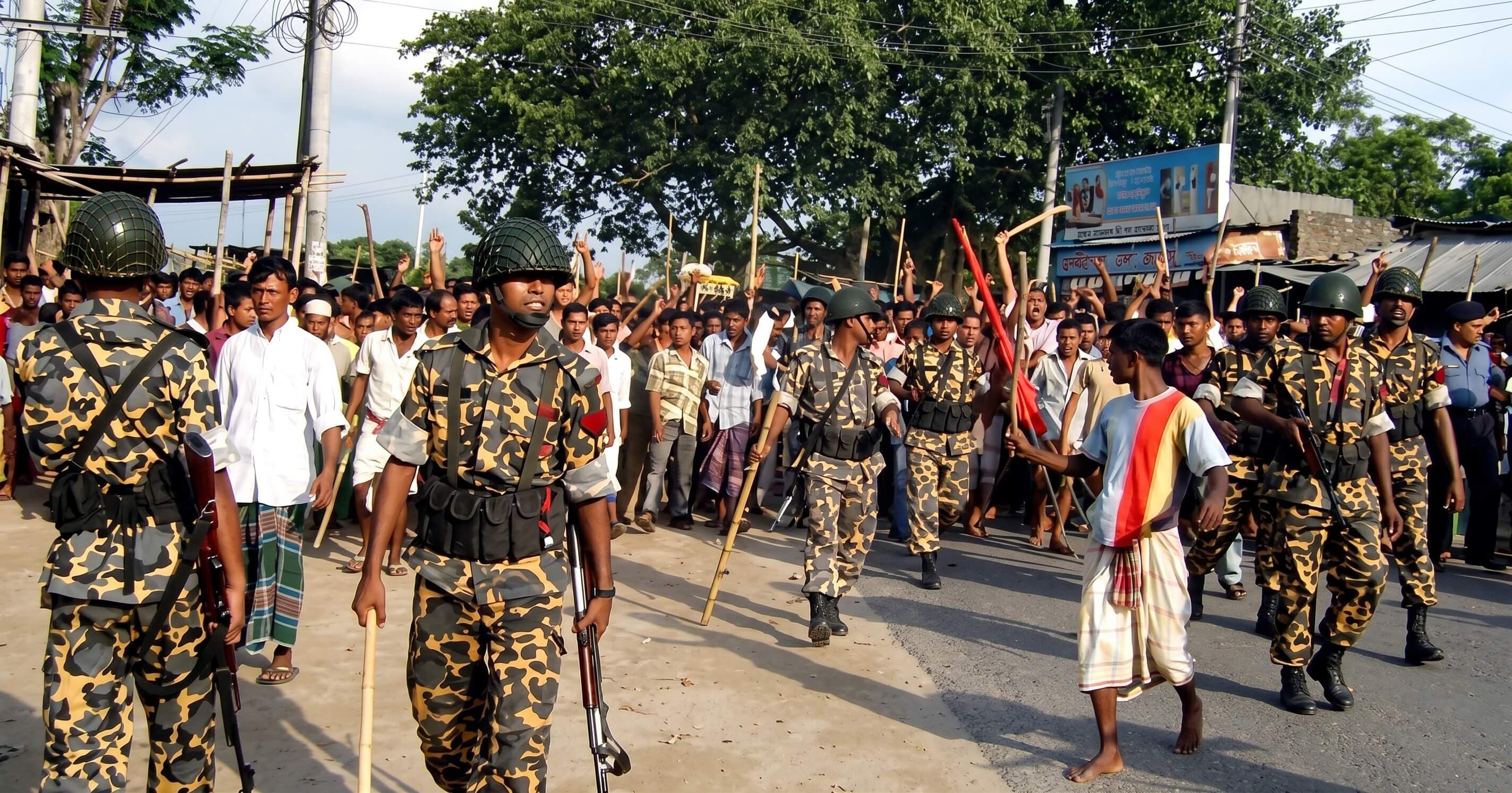
Twenty years ago today, the streets of Phulbari in Dinajpur reverberated with the thunderous slogans of 50,000 to 60,000 people: "My soil is my mother; we will not allow a mine here," "The people will not surrender ownership of their mineral resources," "Your home, my home—Phulbari, Phulbari!" and "No open-pit mining, no exports, no foreigners."
They were not just residents of the proposed mine area but patriotic, conscious citizens from Dinajpur, Gaibandha, Bogura, Rangpur, Nilphamari, Kurigram, and other parts of the country, united against an unjust project they believed was opposed to local and national interests.
As the peaceful assembly was drawing to a close, armed BDR (now BGB) and police forces suddenly launched an attack and opened fire. In a hail of bullets, tear gas shells, and baton charges, three young people—Tarikul, Salekin, and Amin—were martyred. Over two hundred were critically injured, many suffering permanent disabilities. The entire nation, especially North Bengal, erupted in outrage.
On August 30, 2006, the then BNP-led four-party alliance government was forced to sign a six-point agreement with the movement's leadership. The core terms were: no open-pit mining; a complete ban on all operations of Asia Energy (now GCM Resources) in Bangladesh; adequate compensation and rehabilitation for those killed and injured; withdrawal of all cases filed against the protesters; and bringing those responsible for the killings to justice.
It is deeply regrettable that this matter—formally settled by the state two decades ago—has been reopened. A fresh attempt is being made to implement the proposed catastrophic project of GCM Resources (formerly Asia Energy).
On August 17, the Finance Minister announced that the government had finalized its decision to extract coal from the Phulbari deposit and other reserves using the open-pit mining method. Consequently, people from across the country have spontaneously begun arriving in Phulbari in large numbers to voice their opposition to the open-pit coal mining project.
Let us revisit why the people of this country rejected the Asia Energy-proposed coal project twenty years ago.
The Phulbari Coal Deposit and Mine Project
In 1997, the Australian company BHP discovered a high-grade bituminous coal deposit of 572 million tonnes beneath the upazilas of Phulbari, Nawabganj, Birampur, and Parbatipur in Dinajpur. The deposit spans approximately 40–50 square kilometers, with 45% under Phulbari, 35% under Nawabganj, 15% under Birampur, and 5% under Parbatipur.
Citing the risk of natural disasters and the lack of economic viability, BHP withdrew from the proposed project in 1998. However, it transferred the contracts and two exploration licenses to a new entity—Asia Energy Corporation—before leaving Bangladesh. Asia Energy is now active under the name GCM Resources PLC.
Open-Pit Coal Mining: A Catastrophic Environmental Disaster
Coal is a non-renewable energy source, formed over millions of years from buried flora and fauna under immense pressure and temperature. This coal in Bengal was formed approximately 30 million years ago and lies deep below the surface. It is primarily used as fuel for steel plants, thermal power stations, and brick kilns.
Globally, coal extraction uses two primary methods: underground (deep) mining and surface (open-pit) mining. Some foreign multinational companies seek to use open-pit mining, seeing it as the most profitable and expedient option.
However, open-pit mining is the most destructive and hazardous method, especially when the coal deposit lies beneath multiple aquifers of potable groundwater. For a flood-prone, agrarian country like Bangladesh, an open-pit coal project could destroy entire communities and ecosystems.
The process is ruthless: everything on the surface is stripped away, literally uprooting vast human settlements and biodiversity. Asia Energy's own environmental survey identified six distinct ecosystems within the proposed mine area, hosting 512 plant species, 158 species of terrestrial vertebrates, and 89 freshwater fish species, not to mention countless invertebrates.
After stripping the surface, colossal machinery excavates the earth, accompanied by massive dewatering operations—pumping out 800,000 liters of water per minute. Since the Phulbari coal deposit lies approximately 100 meters below the groundwater table, continuous, large-scale dewatering is essential to keep the mine dry.
The gravest peril lies in this groundwater management. According to Asia Energy's (GCM) own data, 1,000 to 1,200 deep tube wells with high-capacity pumps would have to operate continuously for 38 to 40 years, until coal extraction was completed.
Analyses by geologists and environmental experts from the University of Dhaka reveal a terrifying scenario for the entire North Bengal region:
Toxic Water Reservoir: After extraction, an open-pit void 500–1,000 feet deep and covering approximately 20 square kilometers will remain, filled with toxic water.
Desertification: The water table across approximately 3,000 square kilometers in seven adjacent districts will drop below the reach of any deep tube well. This will trigger progressive desertification during the project's lifespan, rendering the region unfit for agriculture, livestock, or human habitation, as people will no longer have access to drinking water, thereby crippling all economic activities.
Surface Water Contamination: The water pumped out during the dewatering process, having come into contact with coal, will be discharged into nearby rivers and canals. This toxic discharge will contaminate almost all nearby water bodies, including three rivers. These rivers flow southward and merge with larger rivers, potentially contaminating water and soil over a much larger area.
Aquifer Contamination and Epidemics: As groundwater in North Bengal flows in a southward gradient, the contaminated water from the mine will migrate southward over thousands of square kilometers. Drinking this water could turn epidemics into a permanent threat to the affected communities. Using it for irrigation will destroy crops, making almost all forms of economic activity impossible.
Acid Rain Risk: There will also be a risk of regular acid rain, potentially causing crop losses and extending the environmental damage beyond North Bengal.
The Response to Corporate Claims and Scientific Reality
In response to these scientific analyses, Asia Energy claimed they would extract and re-inject the dewatered water into deep aquifers far away, thus preventing desertification. Environmental experts have dismissed this claim as unrealistic. Such re-injection is not only exorbitantly expensive and technically risky but also poses a severe risk of widespread contamination of the receiving aquifers with water that has come into contact with coal.
Geological experts point out that the Dinajpur region's sub-soil consists of coarse, porous sandy layers with thin clay barriers protecting each aquifer. Once these layers dry up, they crack and fissure irreversibly. Even if massive rainfall occurs later, the water will not be retained—much like the Sahara Desert, where despite occasional downpours, no groundwater table exists. Experts estimate that if this project proceeds, the environmental devastation it would cause would take at least 200 years to recover from.
Another terrifying hazard of such coal mines is fire. Over a 40-year operational period, the risk of lightning strikes or accidental ignition is substantial, particularly in a thunderstorm-prone country like Bangladesh. Once a coal seam catches fire, extinguishing it is virtually impossible.
The infamous Centralia mine fire in Pennsylvania, USA, which ignited in 1967, continues to burn to this day, releasing toxic smoke in a relentless plume. No technology has yet been developed to extinguish such a burning inferno. If an open-pit fire ignites in Phulbari, the area could continue burning for thousands of years. Bangladesh would face a catastrophic environmental disaster.
It was this brutal reality that the people of this country understood and rejected twenty years ago. The movement brought together teenagers, women and men, Indigenous and Bengali people, and communities from the plains and the hills.
Two decades later, standing on the memory of that sacrifice, the BNP government is now moving to extract coal from Phulbari and other deposits using the open-pit method. The extent to which the government can implement this decision will depend on the strength of public resistance.
The Finance Minister's announcement, however, produced an immediate reaction on the London Stock Exchange, where GCM Resources is listed: on the very day of the announcement, GCM's share price surged by a record 104.10%.
The author is joint editor of Dhaka Papers.
Contact: [email protected]
Your contribution keeps investigative journalism fearless, transparent, and accessible to everyone. To support us securely donate from anywhere.