The Persistent Policing of Women’s Bodies in Public Discourse
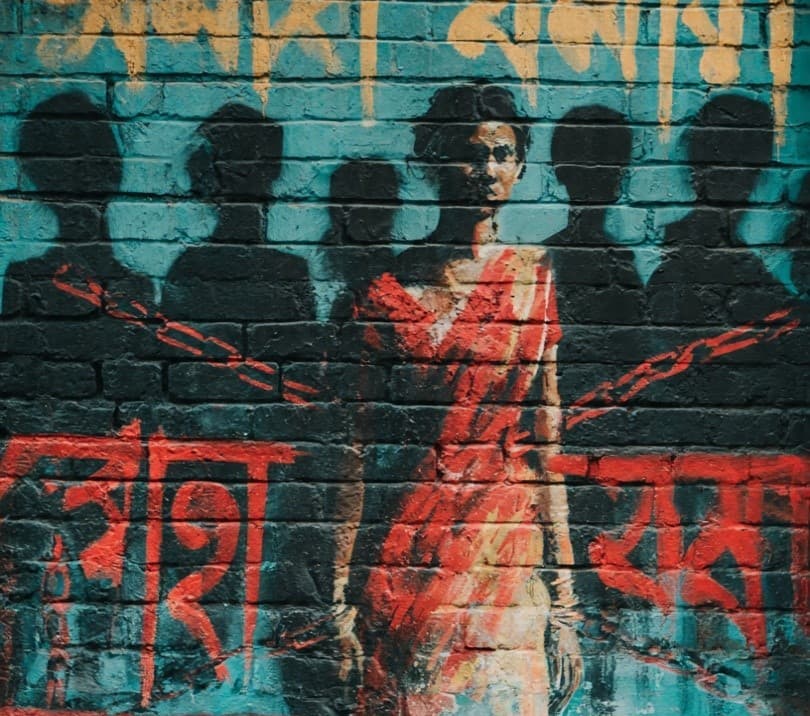
Sketch: AI
When a woman chooses a salwar kameez, a saree, makeup, or no makeup, that choice belongs to her. The reasons may be personal, cultural, practical, political, or aesthetic. She owes no explanation to the public.
In 2019, Abdullah Abu Sayeed, widely regarded as one of Bangladesh’s leading public intellectuals, wrote a newspaper column celebrating the saree. In the piece, he described it as “the most sexually appealing” dress in the world despite being “the most decent” one. The observation was presented as praise—perhaps the highest form of cultural admiration. Yet it revealed something troubling: even celebrated male intellectuals often discuss women’s clothing through the lens of male desire rather than female agency.
The assumption that men are entitled to determine what women should wear—or how they should look more generally—is not confined to any particular social class, political ideology, or cultural group. It begins among some of the most educated and liberal segments of society and extends throughout the broader culture.
Every other day, social media erupts with commentary about women’s appearance. Facebook posts go viral lamenting how actors such as Joya Ahsan have supposedly ruined their “natural beauty” with Botox, or arguing that women should avoid makeup and embrace some prescribed version of authenticity.
While women also participate in these discussions and are fully entitled to debate such issues among themselves, it is overwhelmingly men who dominate these conversations. They appoint themselves arbiters of female authenticity, as though women’s faces and bodies belong to the public domain.
This policing takes many forms.
Progressive men lecture women about rejecting capitalism and consumer culture by avoiding cosmetic procedures—a legitimate critique, except when it becomes a justification for denying women agency over their own bodies. Conservative men invoke tradition and religion to restrict women’s choices. Neither perspective grants women the basic right to make decisions about their appearance without seeking approval from men.
It is therefore hardly surprising that, since last night, countless people—mostly men—have once again engaged in a debate over whether Zubaida Rahman should have worn a saree rather than a salwar kameez while accompanying Prime Minister Tarique Rahman on his visit to Malaysia.
The discussion spread with remarkable speed, reflecting how readily questions about women’s appearance become matters of public controversy.
What makes the debate particularly revealing is the assumption embedded in the question itself: that a woman’s clothing choice while accompanying her husband requires public scrutiny and approval.
No one asked whether the Prime Minister’s attire was appropriate. No one debated the cultural implications of his wardrobe. The woman, by contrast, became the subject of national commentary.
These debates reveal very little about women, culture, or national identity. What they reveal instead is a persistent belief that women’s appearance remains open to public judgment.
This is not merely about fashion or aesthetics. It is about power—about who gets to define the terms of acceptability, who gets to speak, and whose choices are considered legitimate.
The deeper problem is that these conversations strip women of something fundamental: the right to be recognized as the primary decision-makers in matters concerning their own bodies.
When a woman chooses a salwar kameez, a saree, makeup, or no makeup, that choice belongs to her. The reasons may be personal, cultural, practical, political, or aesthetic. She owes no explanation to the public.
Particularly insidious is the way these arguments cloak themselves in the language of culture and tradition. Men invoke “our heritage” to suggest that women’s clothing choices carry national or civilizational significance. In doing so, they reduce women to symbols—to representatives of abstract concepts such as authenticity, modernity, or cultural pride.
Women become vessels for male anxieties about identity rather than individuals exercising personal agency.
The subject of debate may change—from sarees to salwar kameez, from Botox to makeup—but the underlying assumption remains constant: that women’s choices about how they present themselves require public approval.
That this approval is framed as concern for culture, tradition, or authenticity does not alter its fundamental nature.
The solution is not to police men’s speech but to reject the premise itself. Women do not need to justify their appearance to anyone. Their choices are their own.
The task ahead is not to win yet another argument about what women should wear. It is to reject the premise that women’s appearance is a matter for public adjudication in the first place. A society that genuinely respects individual freedom must begin by recognizing that women do not exist as symbols of culture, tradition, or national identity. They exist as individuals, and their choices require no collective approval.
--
*Author: Writer, Researcher & Journalist.
Email: [email protected]